
Rain-Related Car Crashes and Shared Fault
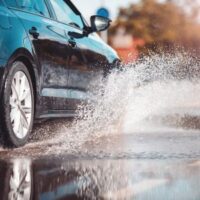
Rain is a frequent contributor to motor vehicle crashes, particularly during sudden storms that reduce visibility and make already congested roads more hazardous. While drivers often assume that wet-weather crashes are unavoidable, many rain-related collisions involve preventable behavior and, in some cases, shared fault.
If you were injured in a collision during wet weather, discuss your recovery options with a Nashville personal injury lawyer. Rain may be unavoidable, but the harm it causes does not have to go uncompensated. Understanding how these crashes occur, and how liability may be divided, can help injured individuals pursue the compensation they need to recover.
How Rain-Related Car Accidents Happen
Wet pavement reduces tire traction, increasing stopping distances and the likelihood of hydroplaning. Visibility may be compromised by heavy rainfall, spray from other vehicles, and fogged windshields. Also, oil residue on roadways can combine with rain to create especially slick surfaces, particularly during the first minutes of a storm.
Despite these known risks, many drivers fail to adjust their behavior. Common rain-related causes of crashes include speeding, following too closely, abrupt braking, worn tires, and malfunctioning windshield wipers or headlights. When drivers do not slow down or increase their following distance, even a minor mistake can lead to a serious collision.
Rain-related crashes may involve shared responsibility. Tennessee follows a modified comparative fault system, meaning an injured person can recover damages as long as they are less than 50 percent at fault. However, compensation is reduced by the individual’s percentage of responsibility.
For example, a driver may lose control while hydroplaning, but another motorist who was tailgating may share fault for failing to maintain a safe distance. In another scenario, a driver traveling at a reasonable speed may still be struck by a commercial vehicle with bald tires that could not grip the wet roadway. Both drivers’ actions, and the condition of the vehicles, may be relevant. Each situation requires careful investigation to determine how responsibility should be allocated.
Accessing Financial Recovery After a Rain-Related Crash
After a rain-related collision, injured individuals may be entitled to compensation for damages. Depending on the situation, their losses may include medical expenses, lost income, pain and suffering, and future care needs. Recovery typically comes through insurance claims, but disputes over fault are common in wet-weather accidents.
A Nashville personal injury lawyer can gather evidence such as police reports, vehicle data, maintenance records, weather conditions, and witness statements to establish liability. By identifying all responsible parties and countering unfair fault allegations, an attorney can help maximize recovery even when more than one party shares blame.
Should you have your rainy day accident details assessed by a legal professional? The lawyers at Calhoun Law, PLC are available to review your case. With attorney support, individuals hurt in an auto accident can assert their rights and pursue the compensation they need to rebuild their lives. Wet weather may have contributed to the collision, but one or more parties involved may carry a level of responsibility as well. Contact us today and schedule a free consultation.